How to Learn Korean in 2024
A practical guide to learning Korean with immersion, Anki, grammar resources, and a setup that stays realistic over the long run.

Approach for language learning (that I use)
Korean is not the easiest language in the world, that is why learning it the normal way usually does not work very well. There is simply too much grammar, too many exceptions, and too many ways to burn out if you approach it like a checklist.
The best way to learn a language that is quite different from the one you already know is to use Mass Immersion Approach, or at least an immersion-first mindset close to it. I am not going to reinvent the wheel here, so before anything else I strongly recommend reading the early Refold roadmap, especially Stage 0 and Stage 1.
Before you continue, make sure you:
- Read the article.
- Install Anki.
- Create a fresh YouTube account that only follows Korean channels.
Learning the building blocks
First you need to learn the Korean alphabet, 한글. The alphabet itself is not hard, but the language has several unfamiliar sounds, especially for native English speakers, and some consonants that can feel deceptively similar at first.
I think the proper way to learn the alphabet and sounds is through video. You need to hear how people pronounce things, compare subtle differences, and build that ear early.
- Learn Hangul 한글 (Korean Alphabet) in 30 minutes
- Billy Go’s Beginner Korean Course | Intro to 한글
- Hanguel (Part 1) | How to read Korean
- Korean Pronunciation, Video 1
These are playlists, but for now you only need the Hangul and pronunciation parts. Check at least two of them and keep the channels you like for later grammar study.
Once you know the alphabet and basic pronunciation, start applying SRS. One of the best things you can do early is train your ear on subtle sound differences.
Optional Anki add-ons I recommend
- Korean Support for automatic field filling, sound, and hanja.
- Sound Generating for adding audio to decks.
- Good and Again Buttons Highlighter.
- Heatmap / streak add-on to make consistency easier.
Basic grammar
There are many ways to learn grammar, and it is very easy to get overwhelmed by options. The trick is not to gather the perfect stack, but to choose a reasonable one and stay with it.
Free resources
- Miss Vicky, my personal favorite.
- GO! Billy.
- Talk To Me In Korean.
- Korean Hailey.
- Just Learn Korean.
- Prof. Yoon’s Korean Language Class.
Best overall free website:How to Study Korean
If you like textbooks, King Sejong University is probably the main free option, but the built-in reader is rough.
There is also the Coursera course First Step Korean, but it only covers basic material.
Paid resources
- Korean Grammar In Use, my favorite, dense and practical, still one of the best things you can buy.
- Vitamin Korean, especially good for beginners and nicely structured.
- Talk To Me In Korean, easy to use, but I personally do not recommend the core series after going through several books.
- Yonsei University books, often praised, but too hard for true beginners.
Small update from the original article: I still think Korean Grammar In Use is among the best books money can buy, and you can legally access the series through the inkah app.
Vocabulary
Dictionary
For Korean translation and lookup, I mostly rely on Naver tools.
- Naver Papago, my most-used daily tool.
- Naver Korean-English Dictionary, richer and more detailed.
- Naver Korean-English Workbook, useful if you want something closer to built-in flashcards.
Naver Dictionary can feel overwhelming at first, so learning how to use it is worth the effort.
Learn how to use Naver Dictionary
Ready-to-use Anki decks
There are many premade Korean decks on AnkiWeb, but a few stand out.
- Korean Grammar Sentences by Evita
- Naver’s Today Korean
- TTMIK’s First 500 Korean Words
- Korean Sentences (Beginner: 1 to 1000)
- Korean Sentences (Intermediate: 1001 to 3000)
- Korean Sentences (Advanced: 3001 to 7000)
I also mentioned in the original article that I found another interesting deck through Reddit, but after trying it I would still tell beginners to focus on Evita’s decks first.
Anki decks that require extra work
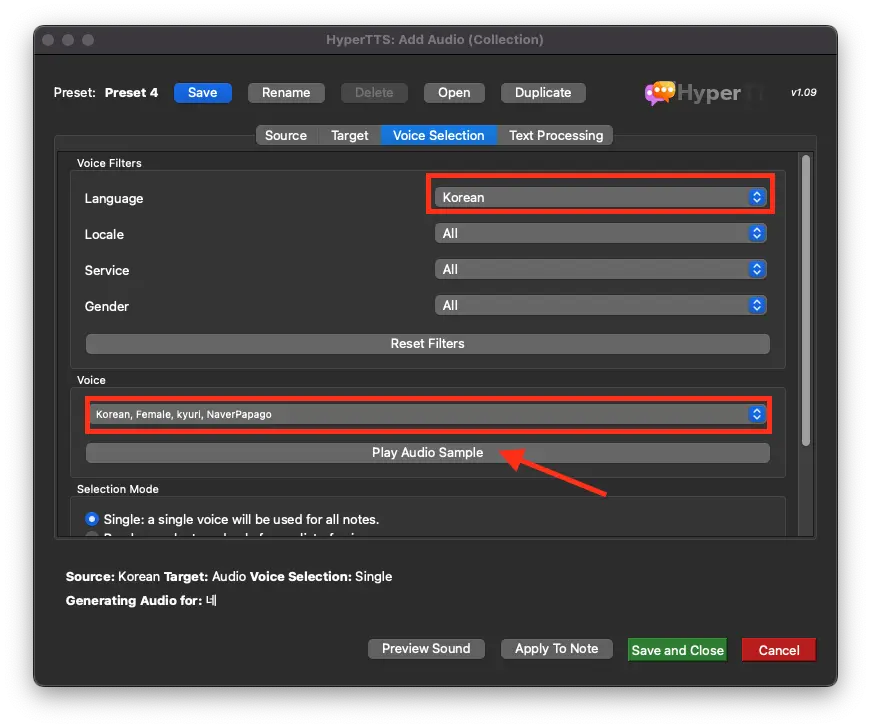
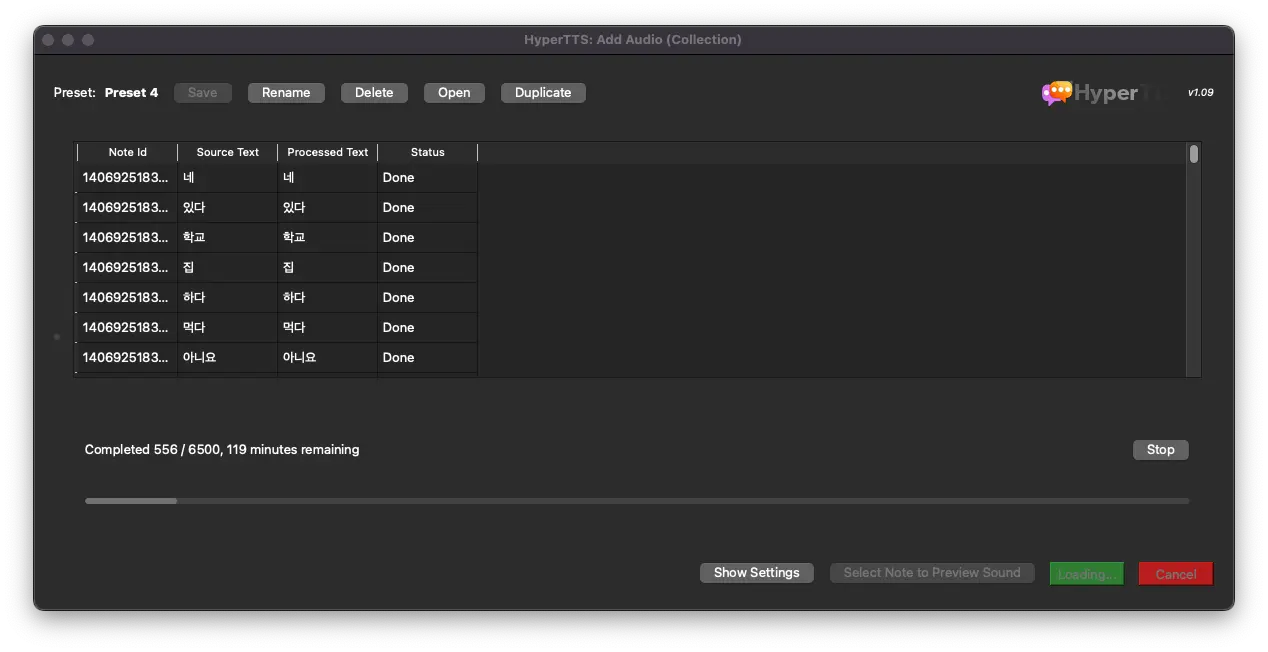
Some strong decks need manual setup. One example is Korean Vocabulary by Evita, which has around 6500 cards but only partial audio coverage. I still recommend it, but you will want to add more audio through HyperTTS and Naver voices.
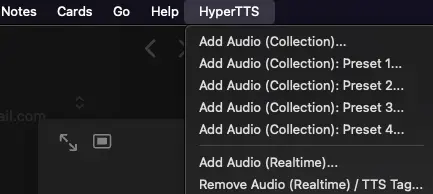
The workflow is simple in principle: install the add-on, relaunch Anki, enable free services, import the deck, create a preset that targets the audio field, choose NaverPapago under Korean voices, then bulk-add audio to the deck. It can take a few hours, but you can interrupt and resume later.
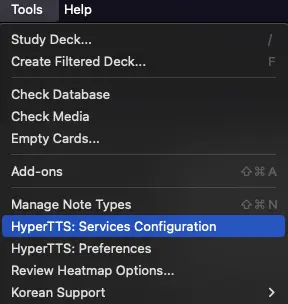
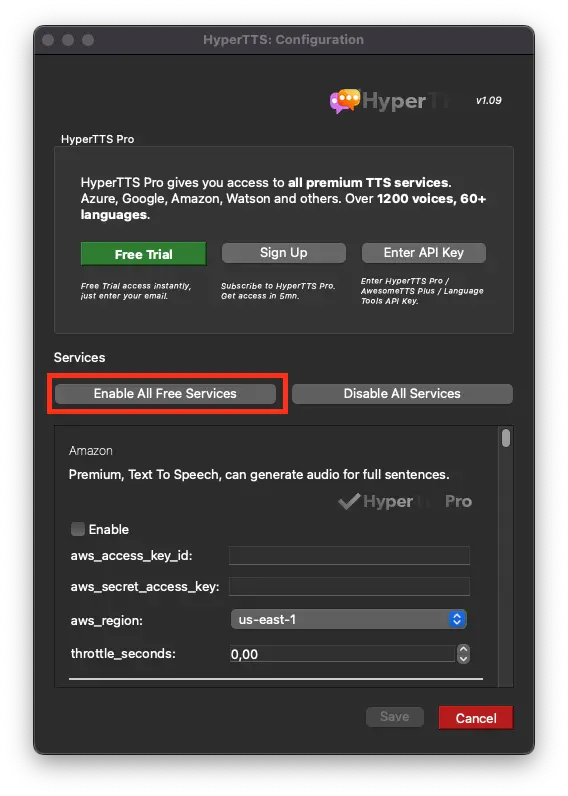

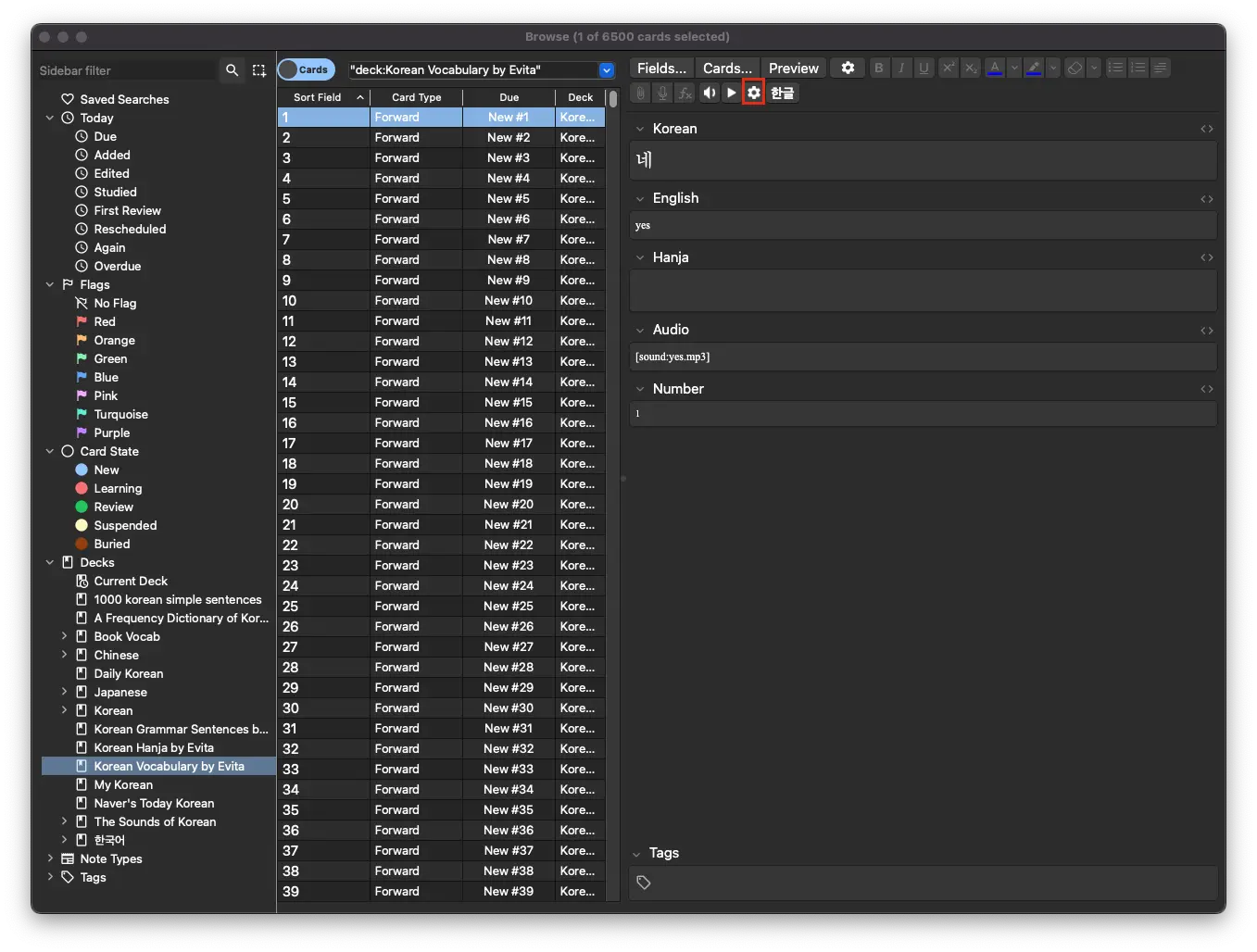
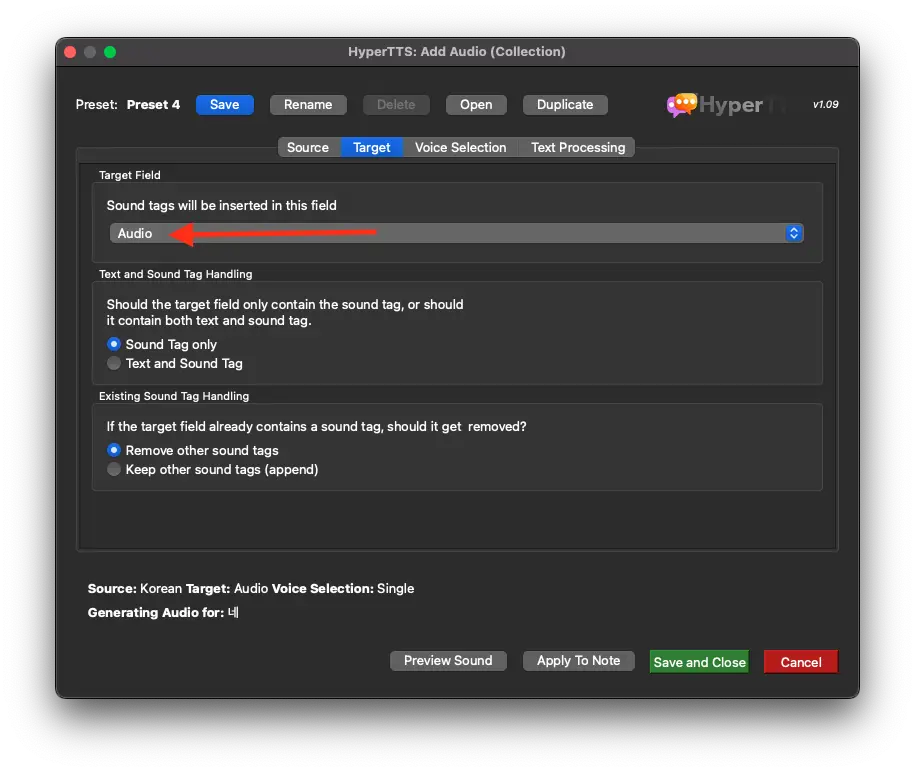
Another option is A Frequency Dictionary of Korean, though I would delete the first few cards because they are dominated by common verb endings.
You can also create your own decks with Korean Support, especially if you study through How to Study Korean or Vitamin Korean.
One of the most important lines from the original article still stands: start with 10 new cards a day or you will probably fail under review load later.
Anki tips
On desktop Anki, it is easy to record your own voice with shift+v, then replay it withv and compare it with card audio using r. I found this surprisingly useful for pronunciation work, and you can do similar recording on mobile too.
Active immersion
Once you have enough basic structure and some vocabulary, move into active immersion. Read Stage 2A of the roadmap and come back with that mindset in place.
When searching for TL content, start with the same places you already consume native-language content.
This approach worked for me long before Korean, when I was learning English through PC building and tech reviews. Once you start following content that matches your real interests, vocabulary becomes more coherent and comprehension grows faster.
Intensive immersion
In my case, photography and photo/video gear reviews became a strong domain for Korean. Review content is often highly structured, heavily scripted, and full of Konglish, which lowers the domain difficulty.
This makes gear reviews great for the 10x10 method. Find around ten videos, each around ten minutes long, then rewatch them daily until they become highly comprehensible. Build a dedicated Anki deck from those videos and mine only the words you genuinely need.
Another small trick: put stickers on objects around the house in your target language.
Immersion guide
Here are some of the channels and resources I highlighted in the original article.
- 20 Best Korean TV Series to Learn Korean
- 꿀잼한국어
- 니나노 한국어 NINANO Korean Shadowing
- Korean Podcast with Vlog for Beginners
- 몽이키즈
Besides that, look for web dramas on YouTube with Korean subtitles. They are free, accessible, and often a much easier entry point than long-form television.
Typing practice for reading and writing
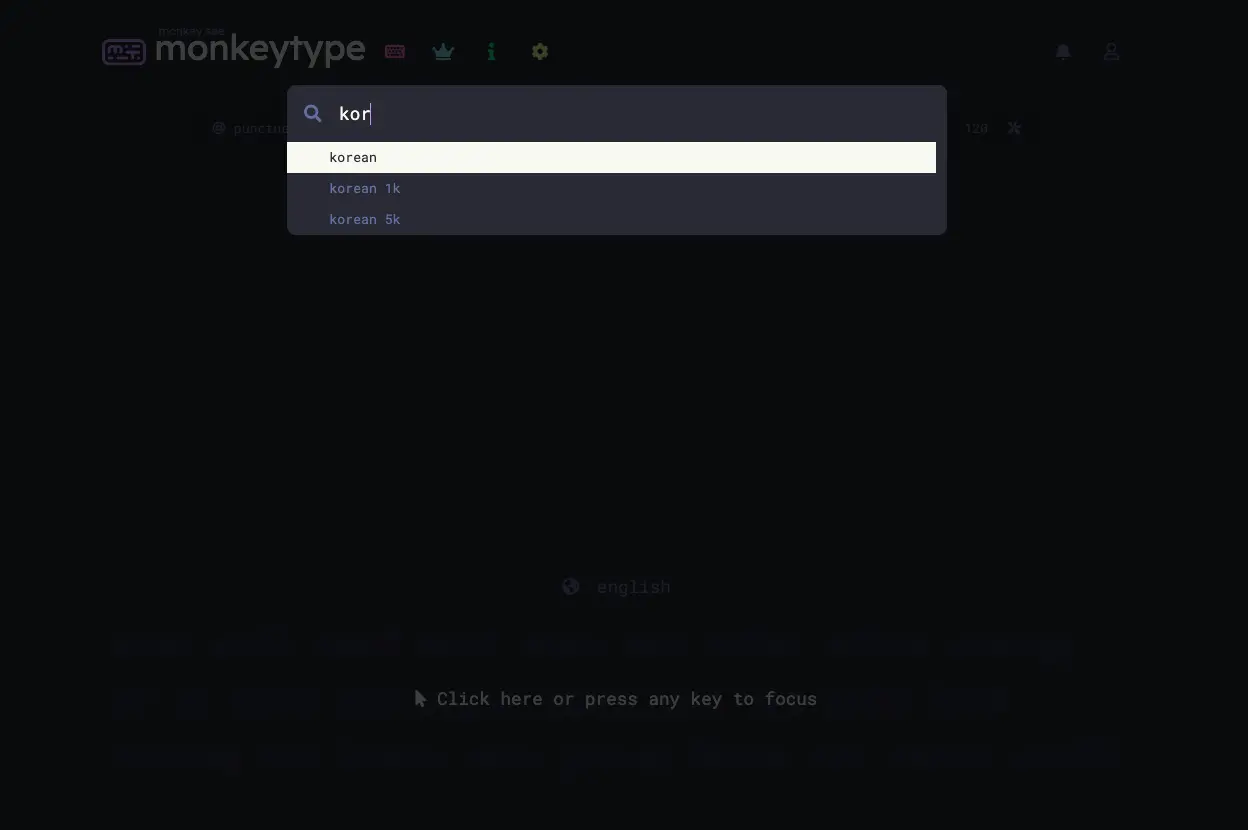
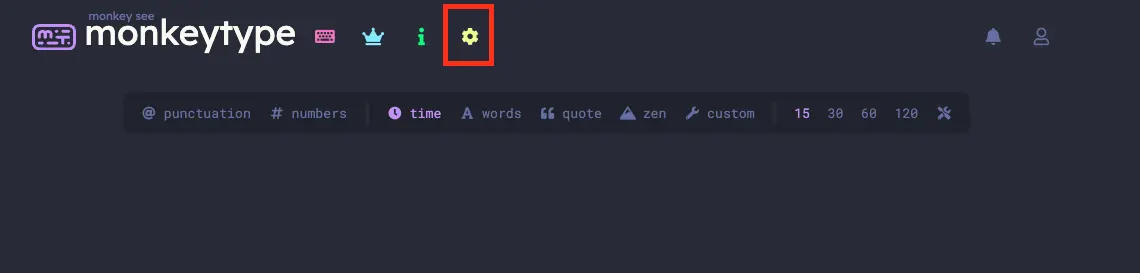
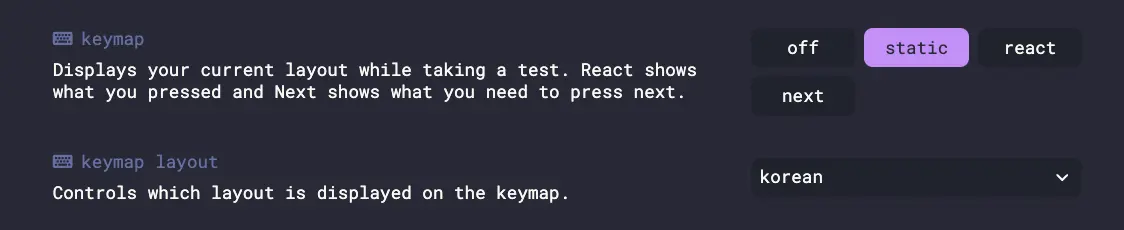
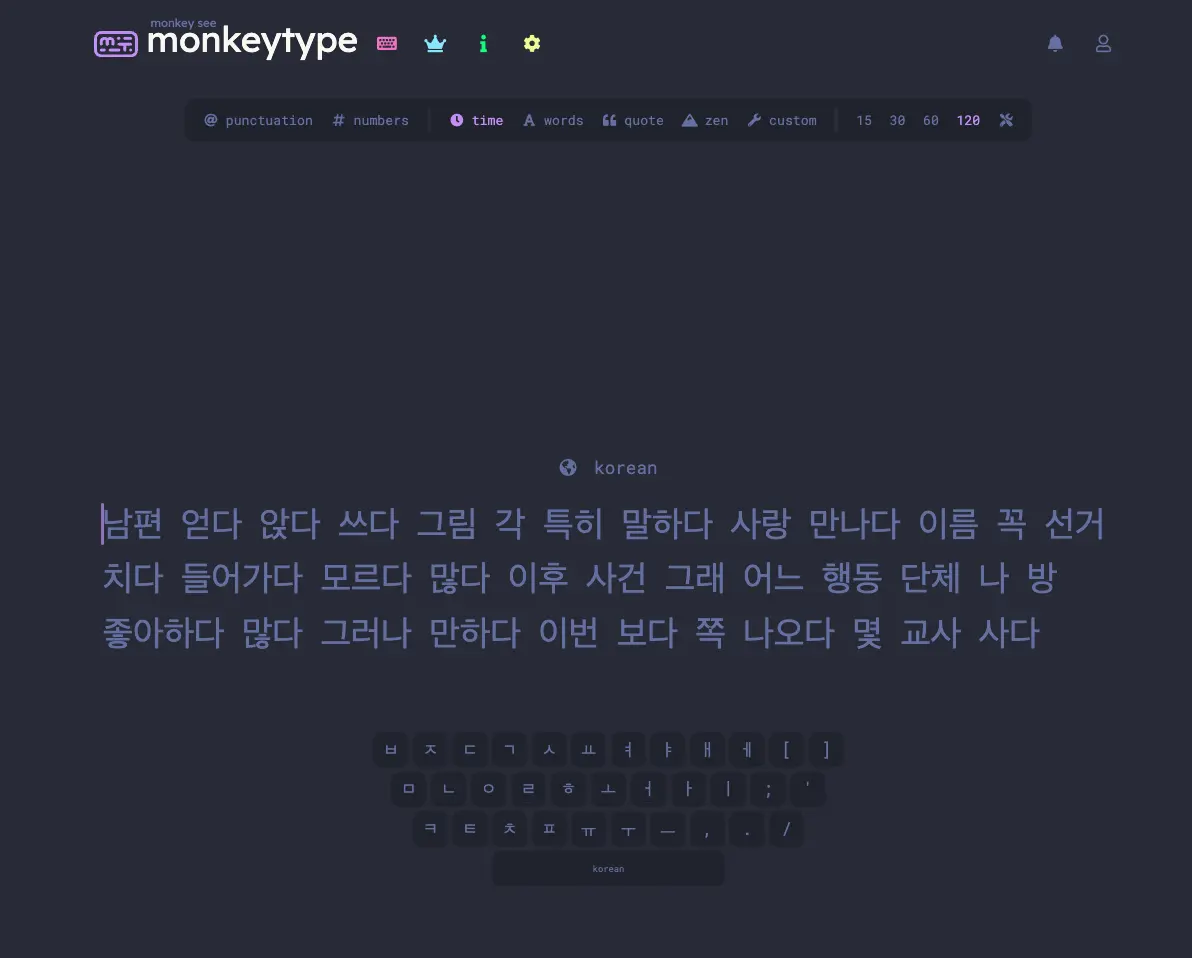
I strongly recommend practicing reading and writing at the same time for just five to ten minutes a day. Typing simulators are perfect for this. Set up the 2-Set Korean keyboard layout first, then use tools like Monkeytype and TypeRacer.
- Monkeytype, good for random words and keyboard familiarity.
- TypeRacer, better later because it uses real sentences.
Passive listening
I do not personally rely much on passive listening because I can usually afford one or two focused hours a day. But if passive listening helps you stay close to the language, use it.
For passive listening, I recommended the Talk To Me In Korean podcast:
Talk To Me In Korean on Spotify
And if you are not into K-pop, try Jaurim. They are one of my personal favorites.
Conclusion
When I wrote the original article, I was still in the second stage of the journey, so I intentionally kept the advice focused on what I had actually tested. That is still the right way to think about this topic.
If I summarize everything as simply as possible, it goes like this: learn the Korean alphabet, record your pronunciation and compare it against native speech, build a manageable basic grammar foundation, set up a system to gain your first 1500 words, then move into active immersion once you have enough vocabulary to hold onto meaning. Around 800 to 900 words is often where that transition starts becoming realistic.
One of my favorite mindset tricks from the original article still applies too: try to treat consuming the same category of content in your native language as wasted opportunity. If you were going to watch that kind of content anyway, make it useful.